
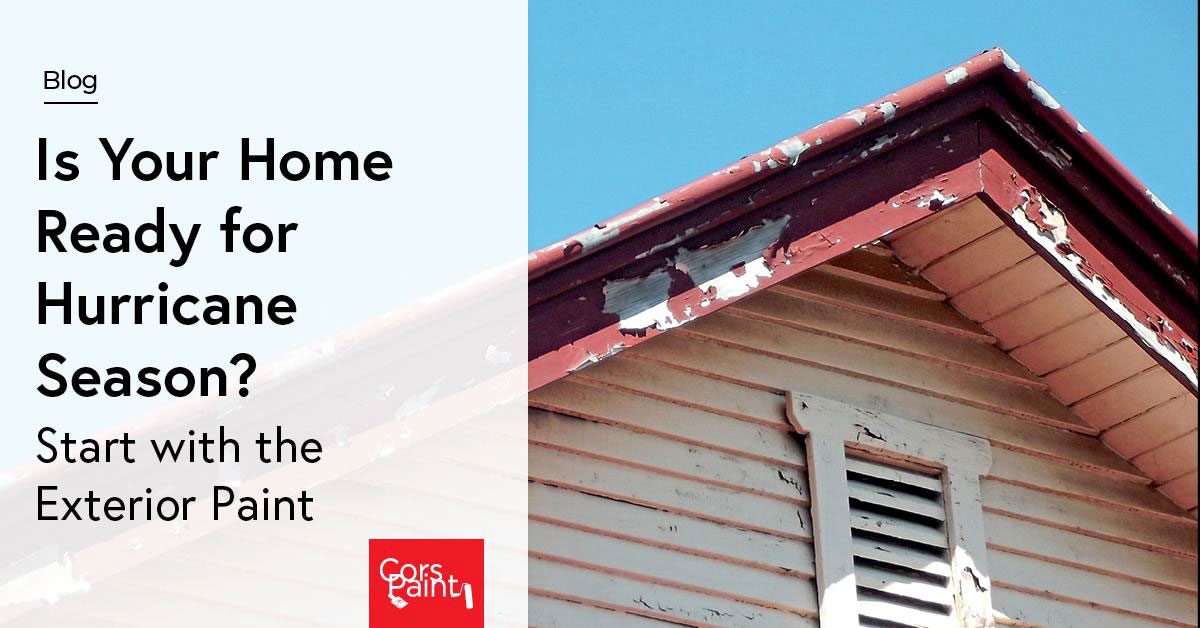
August in Gainesville marks the run-up to peak hurricane season, and it arrives fast. While you’re probably checking your flashlight batteries and stocking up on water, there’s another layer of home protection that often gets overlooked: your exterior paint.
A failing paint job isn’t just an eyesore. It’s an open invitation for wind-driven rain, moisture damage, and costly repairs. Here’s what every Gainesville homeowner should know before the next storm rolls through.
Paint Is Your Home’s First Line of Defense
Think of your exterior paint as a moisture barrier. When applied properly and in good condition, it seals out water and protects the wood, stucco, and siding beneath it. When it starts to fail—peeling, cracking, chalking—those gaps become entry points for water that can cause rot, mold, and structural damage.
During a heavy Florida storm, wind speeds can push rain sideways directly into any opening in your exterior. A compromised paint surface won’t just let water in during the storm; it creates a slow-rotting problem that worsens over months.
Quick check: Run your hand along your home’s exterior. If paint comes off as a white, chalky residue, that’s called chalking, a sign the binder in the paint has broken down and the surface is no longer protecting your home the way it should.
5 Signs Your Exterior Paint Isn’t Storm-Ready
- Peeling or bubbling paint, especially near windows, doors, or roof lines
- Visible cracks in caulking around trim and seams
- Chalky or faded color that no longer looks vibrant
- Soft or spongy wood on fascia boards, window frames, or sills (a sign of rot underneath)
- Water stains or discoloration on your siding after rain
What a Proper Exterior Paint Job Actually Includes
A lot of homeowners assume painting is just rolling on a new color. But a storm-ready exterior paint job starts well before anyone picks up a brush. At CorsPaint, our process includes pressure washing to remove mildew and loose paint, sealing exposed seams and caulk lines, repairing any wood rot before it’s covered up, and applying a quality primer followed by two full coats of paint.
That prep work is what separates a paint job that lasts 8–10 years from one that starts peeling after the first wet season.
Don’t Forget Wood Rot. It Hides Behind Peeling Paint
Florida’s humidity makes wood rot one of the most common hidden problems we find when preparing homes for exterior painting. Fascia boards, window trim, and soffits are especially vulnerable. If rot is present and you simply paint over it, you’re sealing in moisture and accelerating the damage. We inspect and repair any rotting wood before we paint, so you’re not just getting a fresh look; you’re getting a structurally sound surface that will hold up through storm season.
Timing tip: August is still a great time to schedule exterior work in Gainesville. Crews can work in the morning hours before afternoon storms roll in, and booking now means your home is protected before peak storm activity in September and October.
Schedule Before the Fall Rush
Every year after a major storm, painting companies get flooded with calls. Lead times stretch out. Pricing rises. If your home needs exterior work, the best time to act is before it’s urgent, not after the damage is done.
Before the next storm rolls through, give us a call. We’ll walk the exterior with you, flag any issues, and give you a free estimate.
Frequently Asked Questions About Exterior Painting and Hurricane Season
Yes. Paint acts as a moisture barrier between your home’s structure and the elements. A properly applied exterior paint system, including primer, two topcoats, and sealed caulk lines, significantly reduces water infiltration during heavy wind-driven rain. It won’t replace shutters or impact windows, but it’s a critical first layer of defense that protects wood, stucco, and siding from moisture damage.
Yes. Experienced painters in Gainesville schedule around Florida’s predictable afternoon rain pattern, working in the morning and early afternoon. Professional-grade exterior paints are formulated to cure properly in humid conditions, provided surfaces are dry at the time of application. We monitor the weather daily and never apply paint to damp surfaces.
Press a screwdriver or your thumb firmly into wood trim, fascia boards, soffits, and window frames. Healthy wood is firm; rotted wood feels soft, spongy, or crumbles. Peeling paint concentrated in one spot, dark staining, or a musty smell around trim are also common indicators. At CorsPaint, we inspect for rot as part of our estimate process and repair it before any painting begins.
A professionally applied exterior paint job in Florida typically lasts 7–10 years when proper prep work is done, including pressure washing, priming, sealing seams, and applying two topcoats with quality paint. Homes with significant sun exposure on south- and west-facing walls may see some fading sooner, but peeling and cracking should not occur within that window if the surface was properly prepared.
Walk the perimeter of your home and look for peeling or cracked paint, failing caulk around windows and doors, soft wood on trim or fascia, and any areas where water stains suggest previous infiltration. If you notice any of these signs, scheduling an exterior painting and wood rot inspection before September—the peak of Atlantic hurricane season—gives you time to address issues before storm activity intensifies.
Yes. CorsPaint serves Gainesville, Newberry, High Springs, Alachua, Jonesville, Hawthorne, and Archer, FL, as well as customers in Levy, Union, and Gilchrist Counties. Contact us to confirm availability for your specific location and to schedule a free estimate.
0 Comments